Strategy · 4 min read
Creator-led app growth: a practical operating guide
Creator-led app growth uses recurring creator content to introduce an app, demonstrate its value and bring potential users to its store page. A useful program connects creative production to activation and retention, rather than treating video views as the final result.
What makes a creator program different?
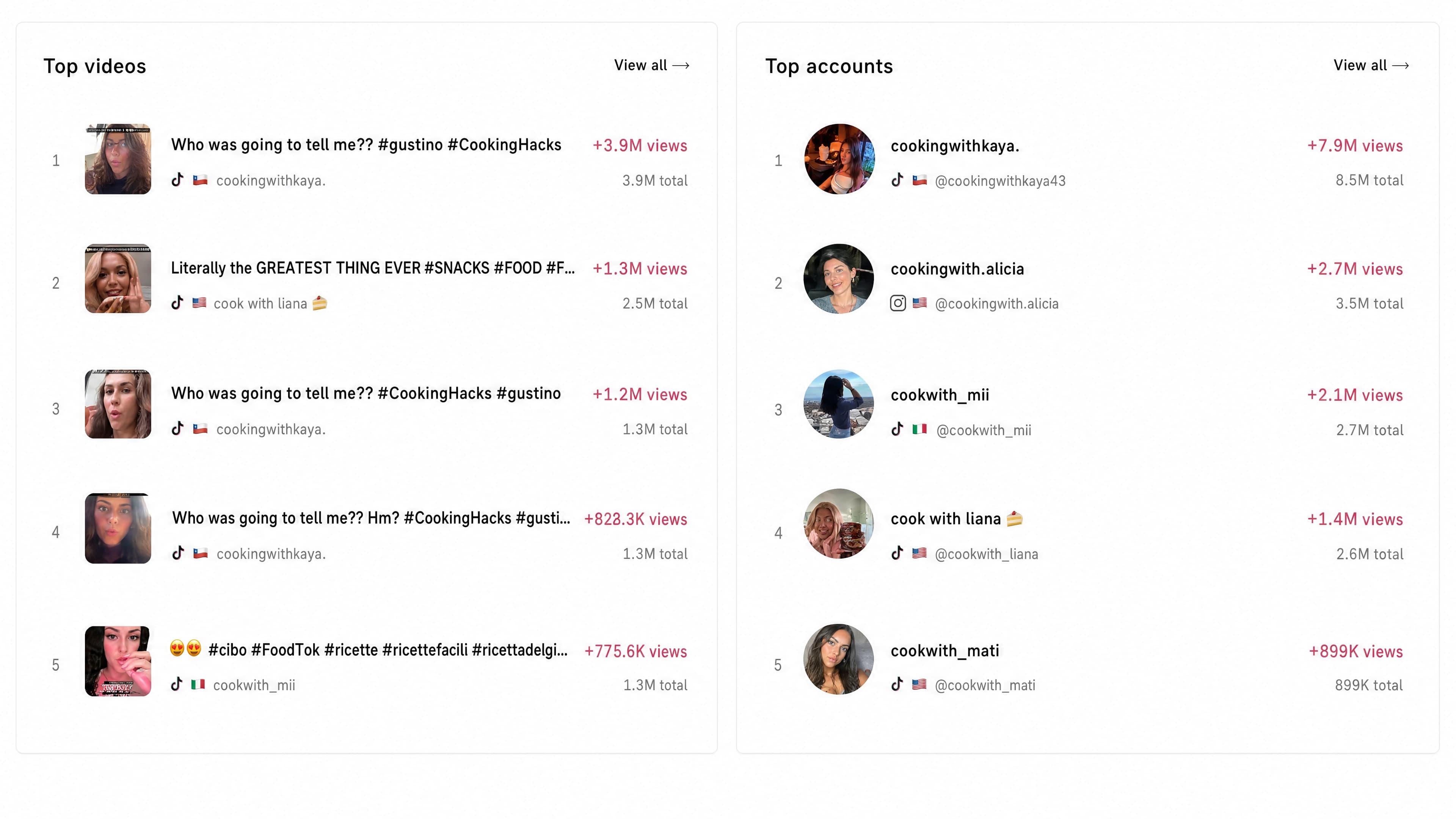
A creator program is an ongoing production and distribution process. Instead of buying one sponsored post, the app team develops repeatable ways to show a product in situations its audience recognises. Creators contribute the voice, demonstration and context. The operator supplies briefs, approvals, publishing coordination and reporting.
The important distinction is ownership of the work. A UGC production contract may deliver files without any distribution. An influencer placement may buy access to an existing audience. A managed creator program coordinates repeated output. These models can overlap, so compare deliverables and responsibilities rather than labels.
Start with the moment your app becomes useful
Choose one audience and one problem before recruiting creators. Write down the situation immediately before someone needs the app, the action that helps them and what a successful first session looks like. A broad description such as “an app for everyone” does not provide enough direction to film a convincing demonstration.
Use actual product behaviour to build the brief. Ask creators to show a real workflow with a working account. Remove personal information from screen recordings, and check that the experience shown is available in the version a viewer can download. A creative promise that the app cannot fulfil creates a conversion and trust problem.
Choose creators for their fit with the demonstration
Review how a creator explains a process, handles a screen recording and speaks to the intended audience. Follower count alone does not establish any of these skills. For content production, a clear demonstration and dependable delivery may matter more than access to a large existing audience.
Agree the scope before filming: original concepts, revisions, posting responsibilities, account access, languages, licensing and any paid-media permissions. Record the approval owner and the way corrections are handled. Keep account access limited to what each person needs, and use the platform’s supported permission mechanisms.
Build a repeatable creative test
Organise each idea around an audience situation, a hook, a demonstration and a call to action. Change one important assumption at a time. If a new video changes the creator, audience, opening, app workflow and destination together, a result is harder to interpret.
Keep a simple creative log. Record the concept, creator, platform, publication date, destination and the result window. Save what was actually published, including the caption. A short review should identify the next decision: repeat a useful angle, adjust a weak demonstration or stop a concept whose promise attracts the wrong users.
Connect content to the store and the first session
The store page should continue the story the video begins. If a creator demonstrates one particular use case, a generic store screenshot may force the viewer to work out the connection. Apple supports custom product pages, which let teams present a relevant version of their app’s store story at a dedicated URL.
After installation, make the demonstrated action easy to find. Review the journey from the published link through the store page and onboarding. Content and product teams should use the same definition of activation, so a download does not get mistaken for a user who has experienced value.
What should the weekly review contain?
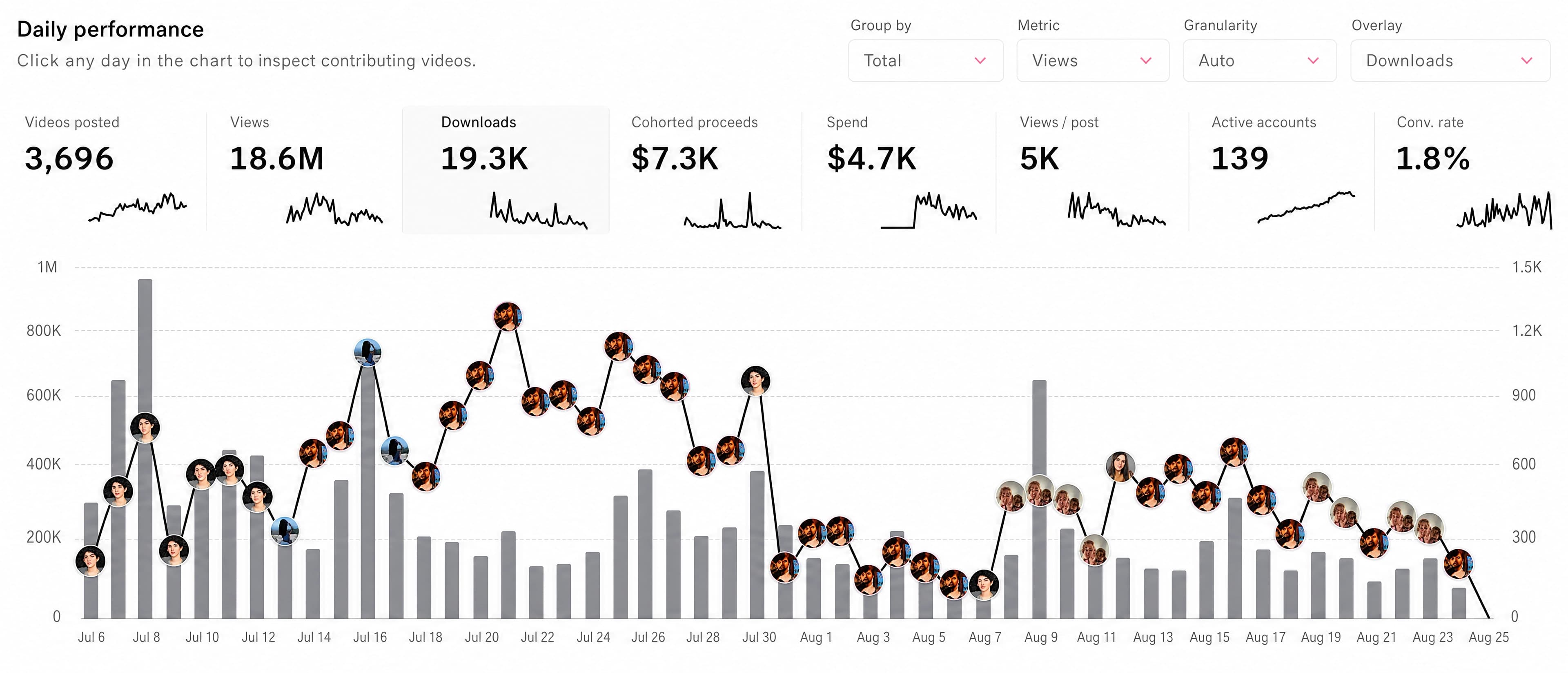
Review delivery, audience response and product outcomes separately. Delivery covers approved originals and published posts. Audience response covers attention and engagement. Product outcomes cover observed store visits, installs, activation and retention where your measurement supports them.
Compare like-for-like periods and document attribution limitations. A creator post can influence someone who later searches for the app, which may not be credited to its link. Observed attribution is useful for operating decisions, but it is not automatically proof of incremental growth. Keep acquisition cost and revenue windows consistent before deciding to expand.
Common questions
Is creator-led growth only for large apps?
No. The useful starting point is an app with a clear use case, a working onboarding journey and enough capacity to review content and learn from results. Program size should follow the learning objective and available resources.
Does a creator program guarantee downloads?
No. Distribution, audience fit, product value and the store-to-onboarding journey all affect the outcome. Set explicit deliverables and measurement rules without promising a universal conversion rate.
Sources and further reading
Platform-specific guidance comes from the primary sources below. The operating recommendations are Flash Studio’s editorial guidance.
Put the next idea to work.
Flash Studio recruits creators, runs the content program and tracks downloads in Volume. Talk through the right starting point for your app.
Talk about your app ↗